Automatic Swiss Watches That Deserve a Place in Every Collection
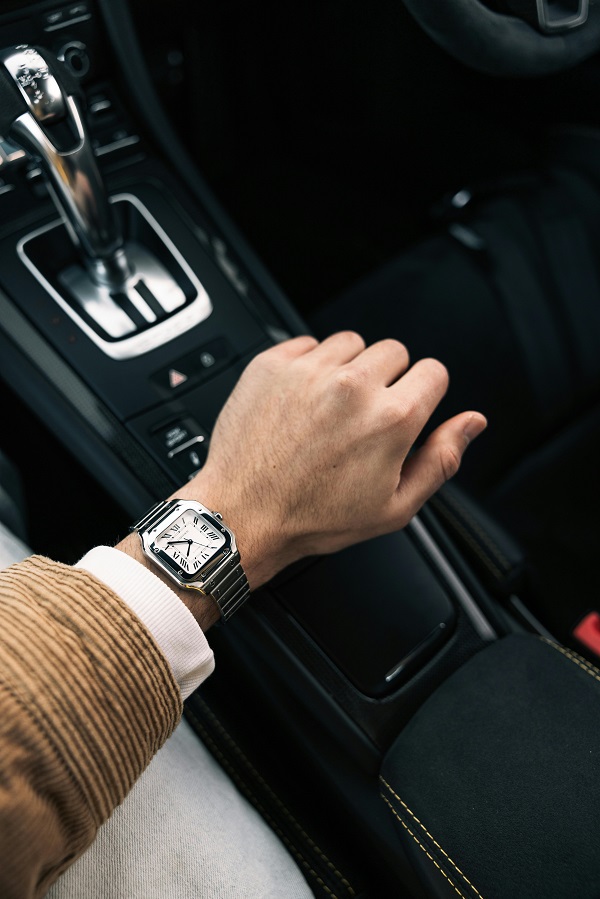
Watch collections usually start off with one particular item that is worn all the time, and over time, this item becomes the benchmark for everything else that is added to the collection. Automatic Swiss watches are a popular choice to start off with due to the fact that they do not need any batteries and, in terms of mechanical movement, have been developed over more than a century. This is because these items have unique qualities that are easier to appreciate when observed closely. These qualities include movement finishing, dial precision, and case consistency.
Why Automatic Swiss Watches Remain Collectors’ Favorites
An automatic watch uses the movement of the wearer’s arm to wind itself. The weight inside the case spins around due to the movements and winds the mainspring. In this way, the watch continues running even after a whole day of wearing. However, if the watch is not worn for several days, it will stop moving, but it can be restarted by either winding it or shaking it. It is just another feature that contributes to the longevity of the watches among the collectors.
There is a certain reputation for Swiss mechanical watches in the market, which is well founded. Swiss regulations provide that a significant part of the value and assembly of the watch must be produced in Switzerland. Accuracy tests of movements are common before the watches leave the factory. Some movements receive chronometer certification from COSC, the official Swiss testing institute. Chronometer certification testifies that the movement had met certain requirements of accuracy but says nothing about whether the particular movement is suitable for a particular buyer. For that reason, Swiss automatic watches are popular among collectors due to the reliability demonstrated by these tests.
Swiss Automatic Watches Worth Adding to Your Collection
The best option will depend more on the usage rather than the brand alone. Dress watches will normally have thin cases and dials that are ideal for formal occasions and will fit comfortably under a shirt sleeve. Sports watches will usually come with stronger cases, water resistance, and dials that are highly legible in both bright and dim lighting conditions. The vintage styles, which include the domed crystals and warm dials, are appreciated not only for their unique design but also for their low maintenance costs.
It is good to have variety in your collection. A dress watch, an everyday watch, and a watch with its own special style will serve most of the occasions without duplicating function. Some collectors will find that a single luxury automatic watch with a unique dial will be the most often worn in the collection since it will offer features that the others don't have. Some collectors will appreciate having a smaller collection where each watch will have its special function.
Luxury Automatic Timepieces for Every Watch Collector
Luxury does not always mean complication. There are many luxury automatic timepieces that are prized because of clean hands, legibility of the dial, and reliability of the movement that will last for many years. Complications like moon phases, perpetual calendars, and chronographs require complicated engineering and can be appreciated due to their complexity. But complications increase price and service cost, and not all collectors need them.
The price usually depends on finishing, materials, and movement decoration. It may include decoration of the rotor and smoothness of the winding process, as well as polishing and beveling of the case. A good finished movement usually has a pleasant feel when it is wound and can be seen through a window case back.
What Sets Swiss Mechanical Watches Apart?
The differences are most apparent in the consistency of quality. A good automatic swiss watch usually keeps time properly, runs smoothly, and is resistant to wear with routine servicing. The dial printing is done accurately, the hands are perfectly finished, and the bracelet or strap attaches firmly to the case without noise or slippage. All this may not be so obvious from just a product listing, but it becomes quite clear after months of everyday use.
Durability is yet another feature of these types of watches that stands them apart from others. An ordinary mechanical movement gets serviced every few years and runs for many years, while these watches can often be handed down through generations. The movement itself can usually be repaired and polished instead of replaced, which makes the watches durable. This is probably one of the major features of Swiss mechanical watches because, unlike some other designs, these never go out of style.
How to Choose an Automatic Swiss Watch?
The size of the case comes first. The lug-to-lug measure is more important than the diameter, as it affects how the watch fits and whether it overhangs. A bigger watch with shorter lugs will be more comfortable than a smaller watch with longer lugs, and it is advised that the buyer try out some watches if possible.
The movement and power reserve will come next. Most automatic movements have about 38 to 80 hours of power reserve, and a bigger power reserve means that the watch can continue operating for a while without being worn. The buyer concerned with accuracy must find out if the watch is COSC-certified and ask the seller about servicing and warranties.
What to Look For | Why It Matters | Questions to Ask |
Case size and lug shape | Determines comfort and how the watch sits on the wrist | How does it fit on the wrist in person? |
Power reserve | Shows how long the watch runs without wearing it | How many hours does it hold? |
Chronometer certification | Indicates the movement has passed accuracy testing | Is the movement COSC-certified? |
Service history and warranty | Affects long-term ownership costs | What is the recommended service interval? |
Dial and crystal | Impacts readability and daily durability | Is the crystal sapphire or mineral? |
Conclusion
Automatic Swiss watches are seldom purchased on a whim. Their worth usually becomes apparent over time based on accuracy, durability, and continued use for many years. There is an advantage in taking the time to evaluate the intended use and the fit and finish up close and in spending some time in making a decision. Good choices of Swiss watches will be used for many years, and their mechanical nature will lend itself to that longevity if cared for properly.
Also Read: How to Choose Your First Luxury Watch: A Beginner’s Buying Guide
Frequently Asked Questions
Q1. Do automatic watches need to be wound every day?
Not necessarily. If you wear your watch daily, the motion of your arm keeps it running. If
you leave it off for a day or two, you may need to give the crown a few turns before wearing it again, and the watch will set itself back in motion.
Q2. How often should an automatic Swiss watch be serviced?
Most manufacturers suggest a service every three to five years, depending on the movement and how much you wear the watch. Regular servicing keeps the lubricants fresh and the timing accurate, which helps the watch last much longer.
Q3. Is a more expensive automatic watch always better?
Not always. Higher prices often reflect finishing, materials, and movement detail, but the right watch is the one that fits your wrist, suits your routine, and feels good to wear. Try a few options in person before deciding.
